Colon Polyps: How to Detect Early Signs and Treat Safely
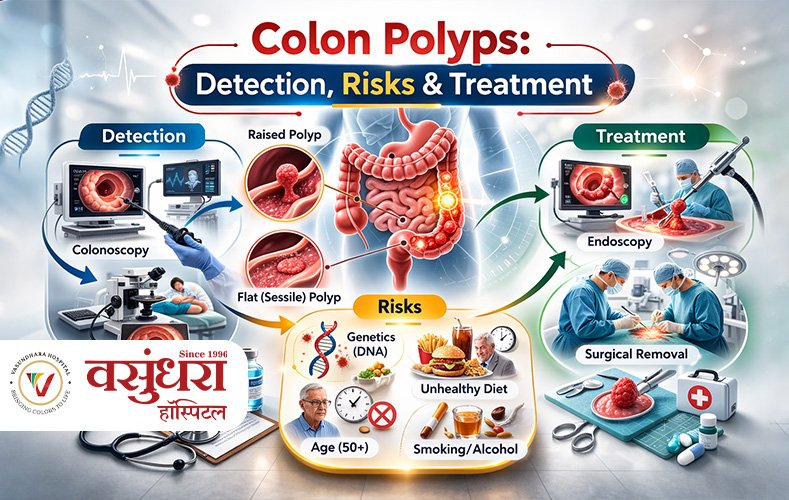
Colon polyps are a common yet often overlooked digestive health condition. These small growths in the colon may not cause noticeable symptoms initially, but certain types—especially sessile polyps—can increase the risk of colorectal cancer if left untreated.
What Are Colon Polyps?
Colon polyps are abnormal tissue growths that develop on the inner lining of the large intestine (colon). While many polyps are harmless, some may gradually turn cancerous over time.
Types of Colon Polyps
Adenomatous Polyps (Adenomas): Most common and potentially cancerous
Hyperplastic Polyps: Usually harmless with minimal risk
Serrated Polyps: Some types can develop into cancer
Inflammatory Polyps: Associated with inflammatory bowel disease
Hamartomatous Polyps: Rare and linked to genetic conditions
Causes and Risk Factors
Age above 50
Family history of colon cancer or polyps
Genetic syndromes (FAP, Lynch syndrome)
Low-fibre and high-fat diet
Smoking and alcohol consumption
Obesity and sedentary lifestyle
Chronic inflammation (IBD)
Symptoms of Colon Polyps
Rectal bleeding
Blood in stool
Persistent constipation or diarrhoea
Abdominal discomfort or bloating
Iron-deficiency anaemia
Unexplained fatigue or weight loss
Narrow stools
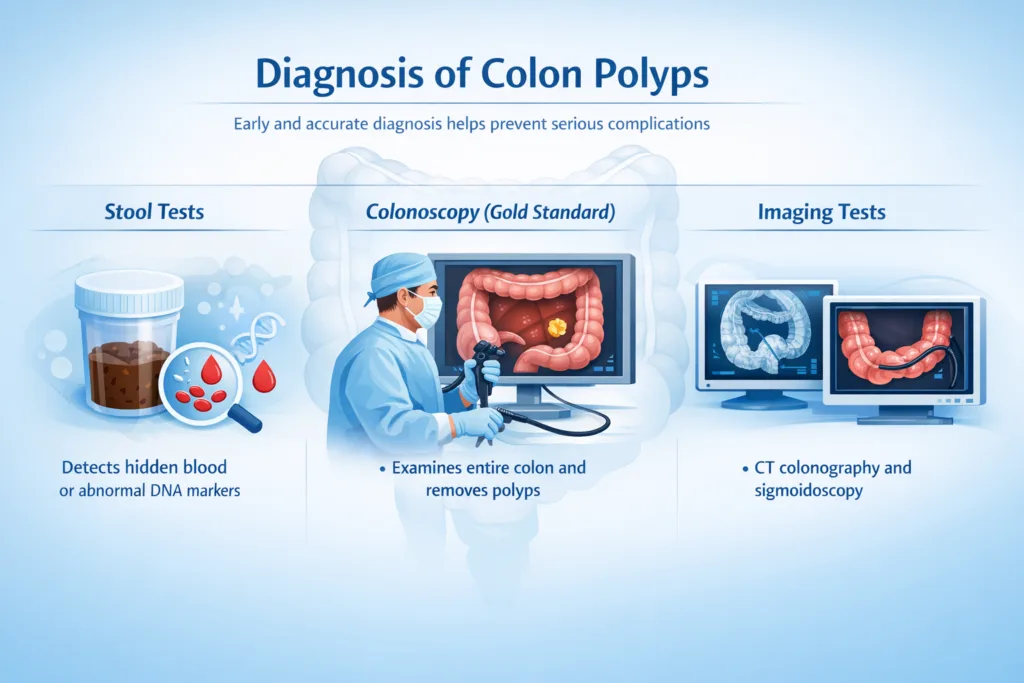
Diagnosis of Colon Polyps
A precise diagnosis plays a vital role in avoiding serious health complications.
1. Stool Tests
Detect hidden blood or abnormal DNA markers.
2. Colonoscopy (Gold Standard)
Allows doctors to examine the entire colon and remove polyps during the procedure.
3. Imaging Tests
CT colonography and sigmoidoscopy may also be used.
Colon polyps often develop silently but can pose serious health risks if ignored. Sessile polyps require careful detection and treatment due to their flat structure. Regular screening, awareness of symptoms, and healthy lifestyle choices are essential for prevention.