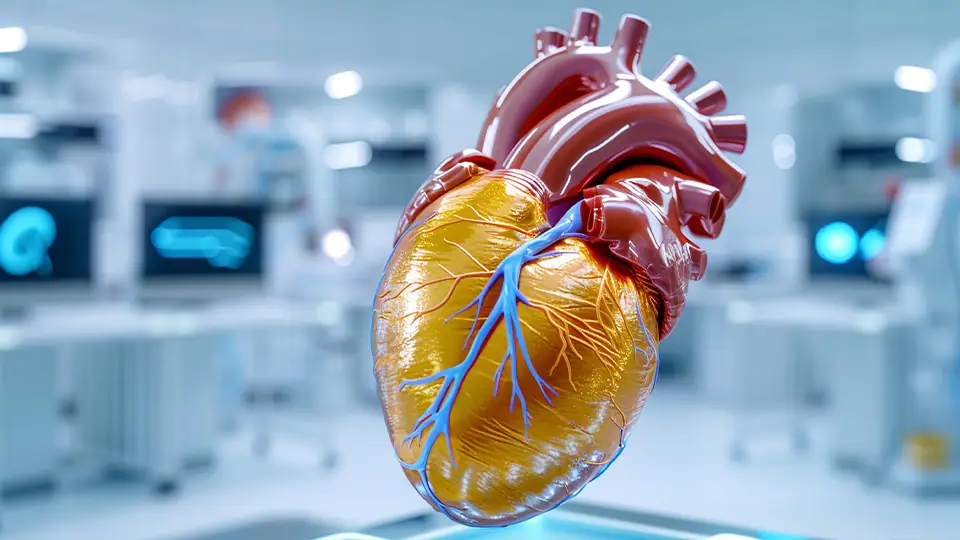
Cardiac Care Department

Cardiology Department

Vasundhara Hospital's team of cardiac care doctors are highly qualified to aid patients suffering from life-threatening conditions through intensive treatment. The Cardiac Care Unit of Vasundhara Hospital aspires to deliver cardiac care in a most comprehensive and affordable way to a common generous. The hospital has well trained doctors, staff members and infrastructure to provide best cardiac care to the patient.

In the non-invasive lab there are various packages to screen the cardiac illness and to treat appropriately with the help of trained staff and sophisticated advance equipment's. Centre is equipped with advanced Non-Invasive Cardiology tests which has Echocardiography machine, TMT, Holter, CCU, Emergency Services & Heart Health Check-ups. Apart from this, consultants participate in various health camps conducted by the hospital near surrounding villages to provide to patients and promote awareness about the cardiac diseases.


Echo Cardiogram
TMT
Holter
Cardiac Health Packages
Thrombosis
Angiography
Angioplasty
Pacemakers
Open Heart Surgeries
Valve Replacement Surgeries
Congenital Disease Surgery
TOF Surgeries
Vascular Surgeries
Thoracic Surgery

Rates for Cardiac Care

Sl. No.Cardiac DevicesCeiling Rate
1.Single Chamber Cardiac Pacemaker without Rate ResponseRs 34,840/- +GST
2.Single Chamber Cardiac Pacemaker with Rate ResponseRs 44,928/- +GST
3.Dual Chamber Cardiac PacemakerRs 83,200/- +GST
4.Bi-Ventricular Cardiac PacemakerRs 1,95,000/- +GST
5.Implantable Cardioverter Defibrillator(Single Chamber)(ICD/AICD-Single Chamber)Rs 1,75,786/- +GST
6.Implantable Cardioverter Defibrillator(Dual Chamber)(ICD/AICD-Single Chamber)Rs 3,75,000/- +GST
7.Combo Device(CRT-D)Rs 4,90,000/- +GST
8.Aortic Stent Graft(expandable, bifurcated and including delivery system)Rs 4,40,960/- +GST
9.Rotablator with AdvancerRs 49,920/- +GST
10.Rotablator BurrRs 23,920/- +GST

Meet Vasundhara Hospital's Cardiologist Experts

Dr. Sanjeev Sanghvi

Dr. Sanjeev Sanghvi

READ MORE →
Dr. Ravi Ranjan

Dr. Ravi Ranjan

READ MORE →
Dr. Lalit Mohan Rathi

Dr. Lalit Mohan Rathi

READ MORE →
Dr. (Maj) Anil Kumar Sharma

Dr. (Maj) Anil Kumar Sharma

READ MORE →

Frequently asked questions

Cardiac care is crucial because heart disease is a leading cause of death and disability worldwide. Effective cardiac care can:

  • Prevent Heart Attacks: By identifying and managing risk factors like high blood pressure, high cholesterol, and blocked arteries, cardiac care helps reduce the likelihood of heart attacks.
  • Manage Existing Conditions: For individuals already diagnosed with heart conditions, cardiac care provides treatments and strategies to manage symptoms, slow disease progression, and improve quality of life.
  • Improve Overall Health: A healthy heart is vital for the proper functioning of all organs in the body. Cardiac care contributes to overall well-being by ensuring efficient blood circulation and oxygen supply.
  • Reduce Risk of Complications: Proper cardiac care can lower the risk of serious complications such as heart failure, stroke, and dementia, which are linked to cardiovascular health.
  • Enhance Recovery: For those who have experienced a cardiac event or undergone heart surgery, cardiac rehabilitation programs help regain strength, improve heart function, and reduce the risk of future events.

Heart disease can be diagnosed through a variety of methods, including:

  • Medical History and Physical Exam: Your doctor will ask about your symptoms, risk factors, and medical history, and perform a physical examination.
  • Electrocardiogram (ECG or EKG): This non-invasive test records the electrical activity of your heart.
  • Echocardiogram (Echo): This ultrasound of the heart provides images of its structure and function.
  • Blood Tests: These can measure cholesterol levels, blood sugar, and other markers related to heart health.
  • Stress Test: This test monitors your heart’s activity while you exercise to see how it responds to stress.
  • Holter Monitor: A portable ECG that records your heart’s rhythm over 24-48 hours.
  • Coronary Angiography: A specialized X-ray that uses a contrast dye to visualize the coronary arteries and identify blockages.
  • Cardiac CT Scan or MRI: These imaging techniques provide detailed pictures of the heart and blood vessels.

A Cardiac Care Unit (CCU), also known as a Coronary Care Unit or Cardiac Intensive Care Unit (CICU), is a specialized ward in a hospital dedicated to treating patients with acute and life-threatening cardiac conditions that require continuous monitoring and immediate medical intervention. Patients admitted to a CCU may have experienced heart attacks, unstable angina, severe heart failure, cardiac arrhythmias, or may be recovering from cardiac surgery.